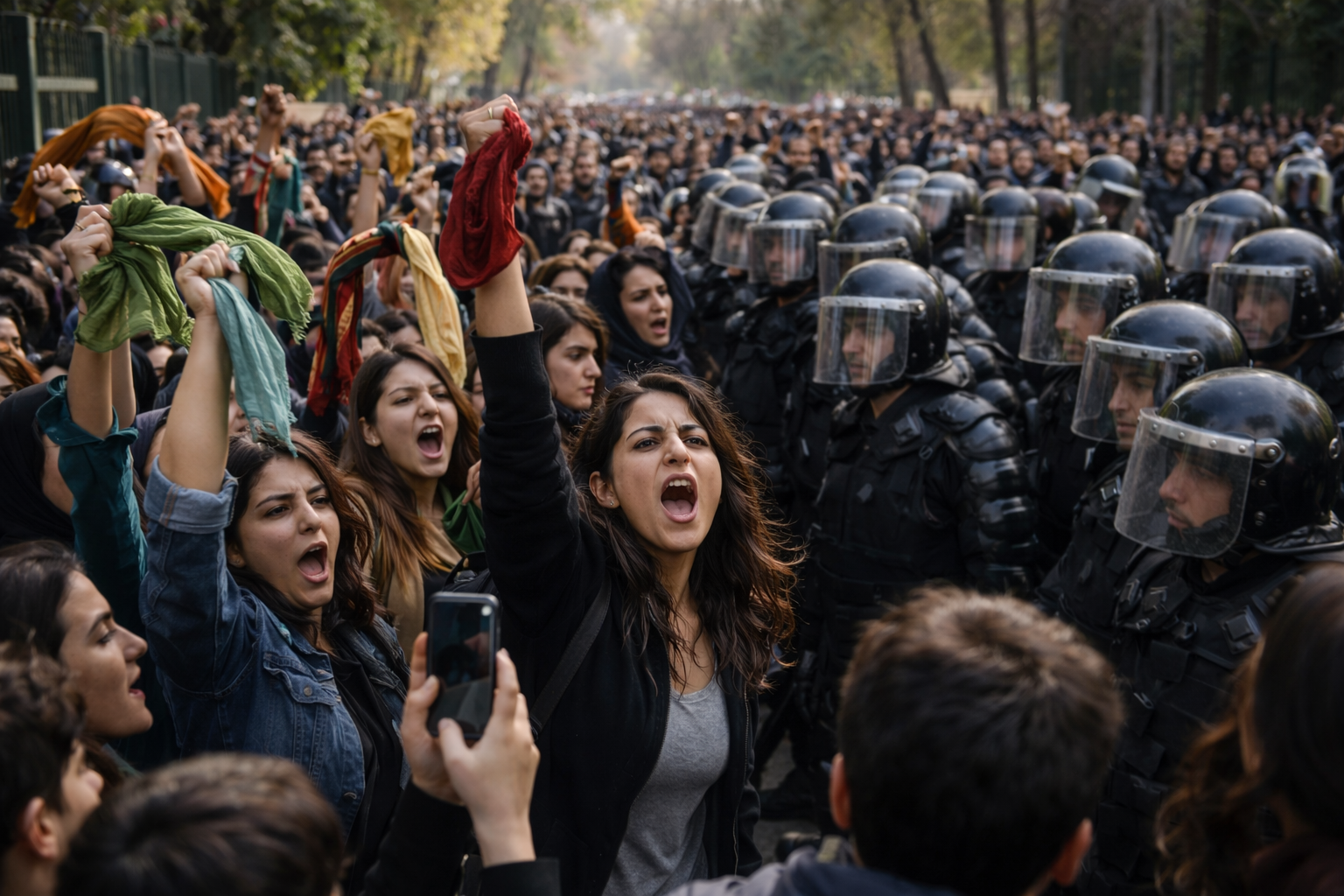
A Congress on Iran's Transition and Shared Responsibility
Dialogue for Iran
London – February 2026
The Dialogue for Iran ("Congress") will be convened over two days in February 2026 in London, bringing together Iranian civil and political actors from a broad spectrum of backgrounds and perspectives.
The Congress is designed as a structured forum to facilitate serious, responsible, and forward-looking dialogue at a critical moment in Iran’s history.
Purpose of the Congress
The Dialogue for Iran aims to:
Promote agency and transparent participation in Iran’s transition beyond the Islamic Republic, ensuring that the country’s future is shaped through accountable civic engagement rather than closed negotiations or external interventions.
Recognize and institutionalize pluralism by acknowledging diverse voices and developing civil and political safeguards to prevent a recurrence of the failures experienced in 1979.
Develop a pragmatic decision-making framework that may inform governance mechanisms during a transitional period.
What the Congress Is Not
Based on lessons drawn from previous unsuccessful initiatives, the Congress is explicitly not:
The Congress is not a political institution or governing body. It is a civic initiative intended to support political processes during a period of crisis by practicing realistic brokering and encouraging responsibility and constructive engagement.
The Congress is not a forum for final determinations or political adjudication. The Congress serves as a platform for pragmatic exchange, convergence of ideas, and improvement of collective decision-making under conditions of uncertainty.
The Congress is not an exclusive or monopolizing initiative. The Congress recognizes and welcomes parallel efforts that seek to design similar mechanisms aligned with these objectives.
The Congress is not a venue for leadership selection, leadership promotion, or coalition formation. Its purpose is to explore and model brokering mechanisms appropriate for participatory transitional governance.
Key Questions for Deliberation
Participants will address the following core questions:
Rebuilding trust and social cohesion: With a perilous transition period on the horizon, how can meaningful trust and cooperation be restored in a society that is deeply fatigued, damaged, and emotionally polarized? At this historical juncture, where are concrete opportunities to build bridges among opponents of the current system?
Engagement with non-liberal or non-pragmatic actors: Some opposition groups refrain from working with others for a host of reasons. Should such actors be addressed solely through critique, or can practical modes of engagement be responsibly designed?
From subject to citizen: What does Iran’s transition from a traditional subjectbased society to one of modern citizenship require at this stage? What does personal agency and popular sovereignty mean in practice, and what responsibilities do Iranian elites—inside and outside the country—bear in resisting fatalism?
Foreign intervention and its consequences: Why do calls for external intervention arise? What assumptions divide proponents and opponents of such involvement? What scenarios may follow intervention, and what safeguards could mitigate historical patterns of failure? Can constructive collaboration persist across these disagreements?
Managing the transitional period: From the present moment until the adoption of a new constitutional order, what strategies can defeat the Islamic Republic and responsibly manage the realities on the ground, while minimizing the risks and costs of the transition?
The Dialogue for Iran seeks to contribute to a disciplined, inclusive, and pragmatic approach to navigating Iran’s transition— grounded in responsibility, realism, and collective agency.
London – February 2026
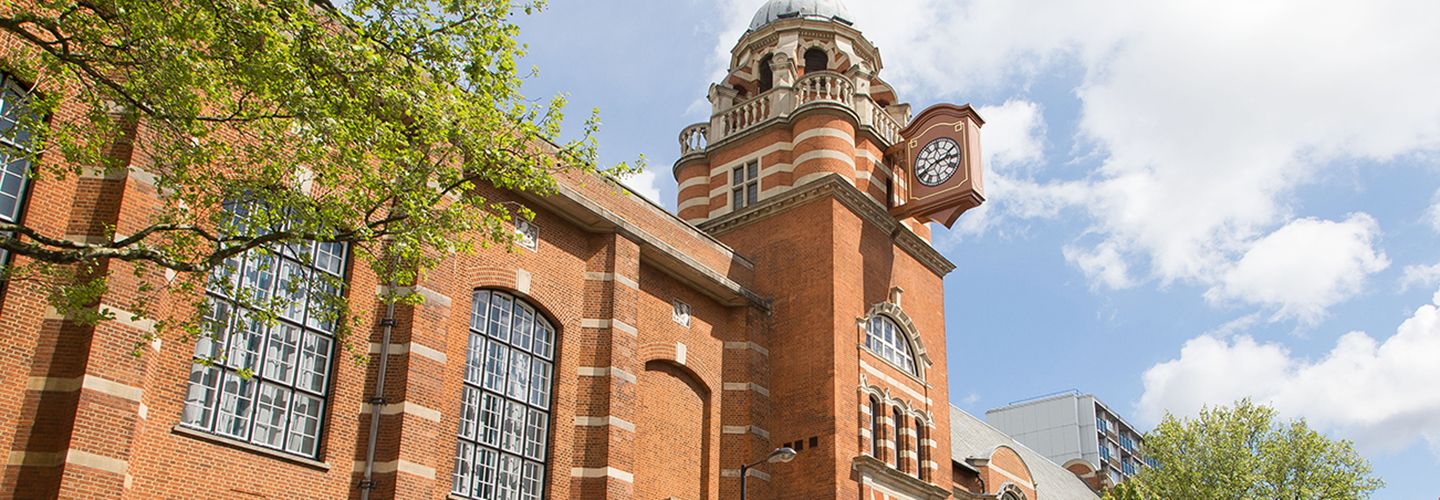
Venue
University of London
Majid Zamani
+44 (0) 777 00 39220
thisismajid@gmail.com